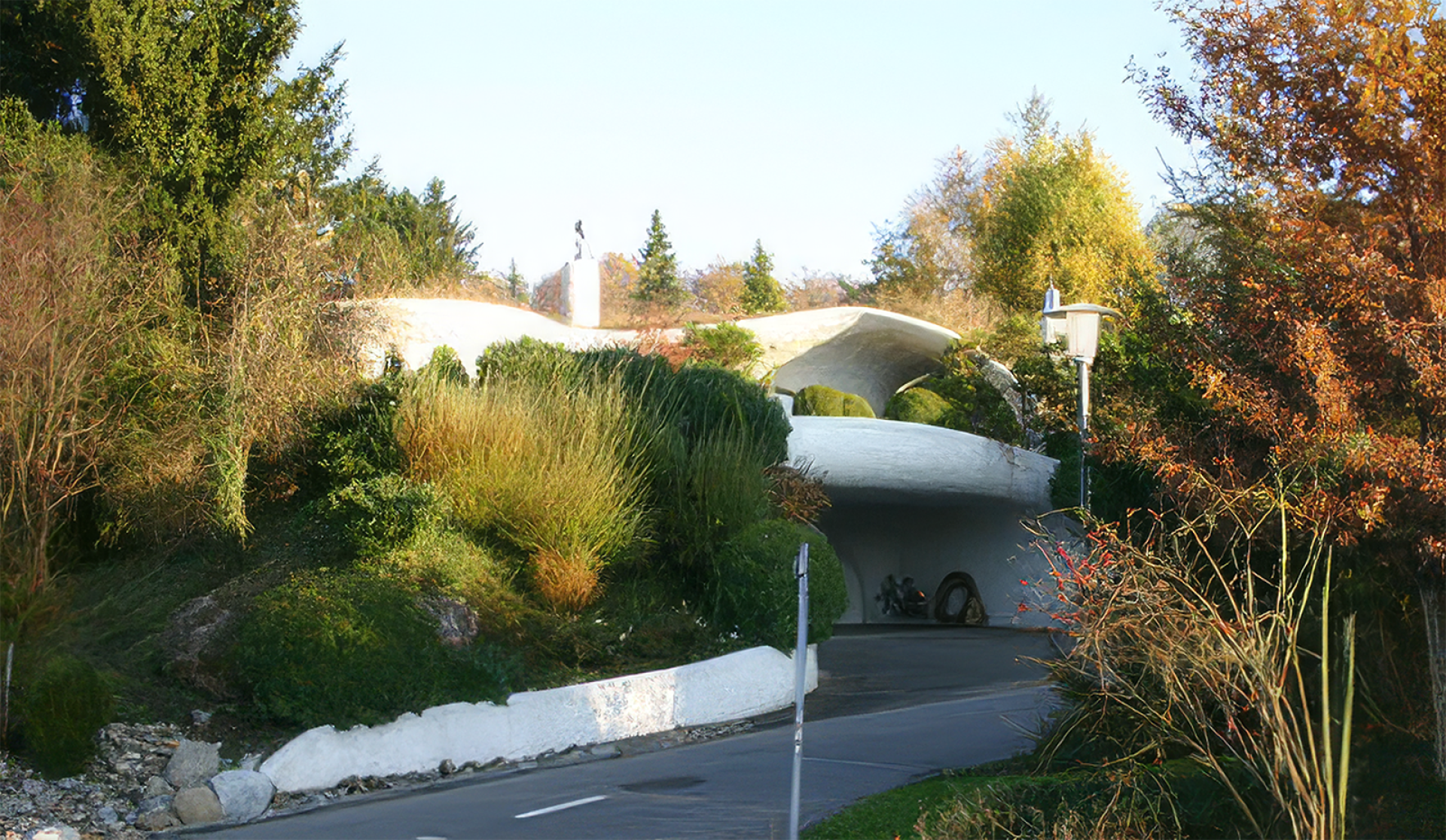
The vision: architecture in harmony
with the landscape
Earth houses are not a type of building, but a way of thinking. They view the earth not as a foundation, but as a protective shell – shaping, insulating and integrating.
Basic concept
The concept of earth-house construction follows a clear principle: architecture should blend into the landscape, not dominate it. The earth is seen not merely as a building site, but as a protective shell for the building. It insulates, stores heat and creates a balanced indoor climate. The result is a building method that utilises natural resources rather than working against them.
The advantages
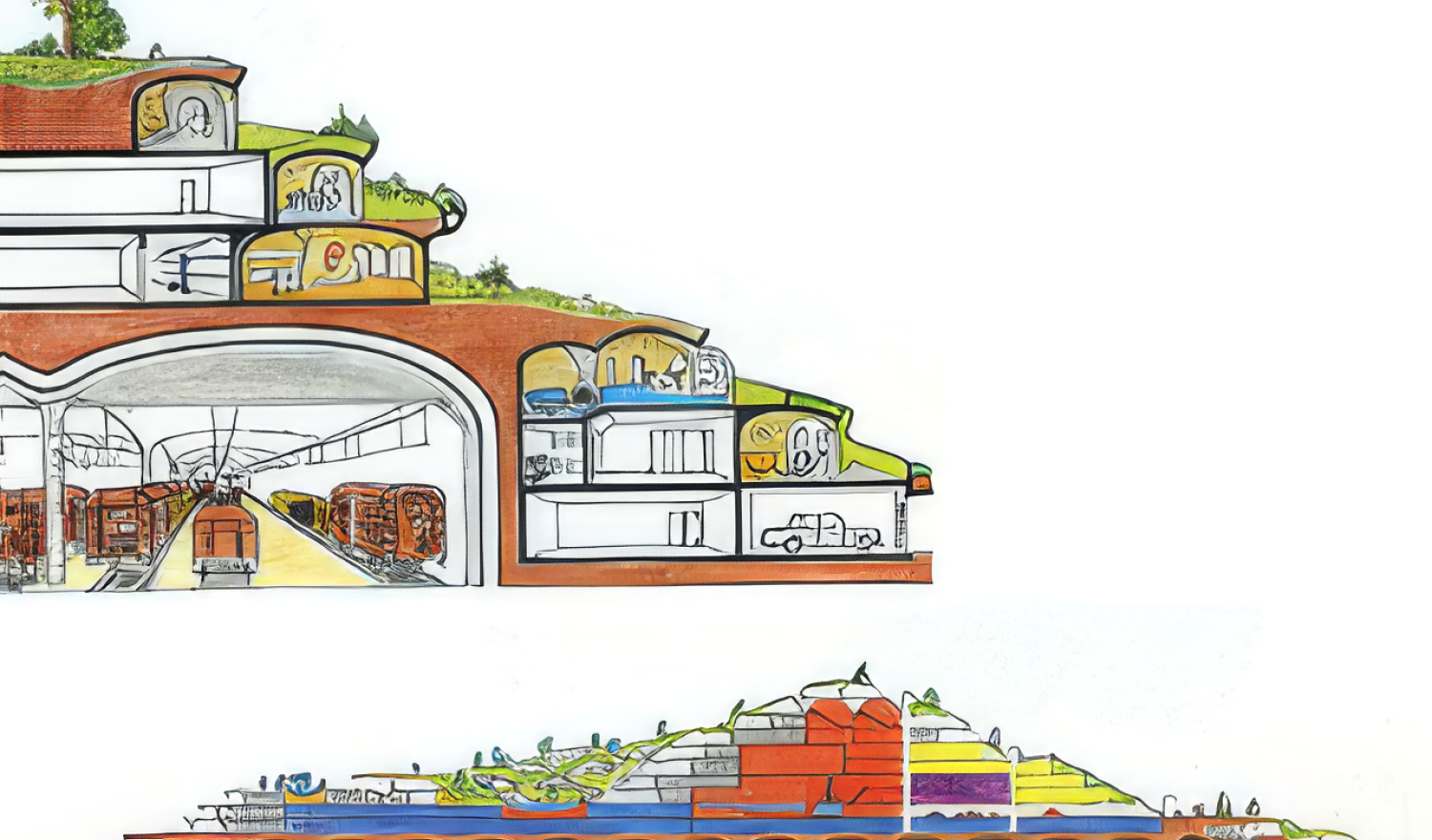
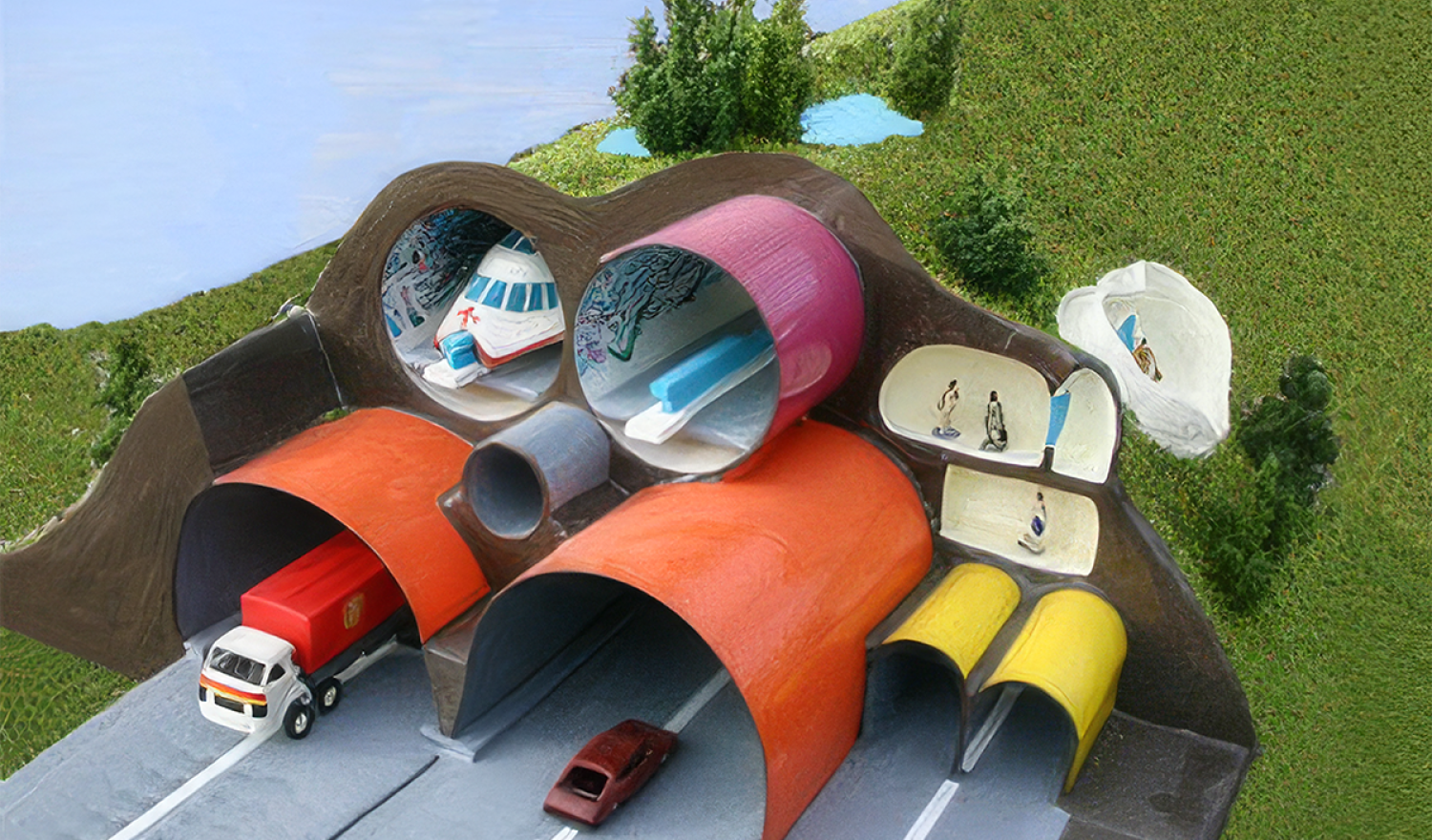
Based on this fundamental principle, a building method has been developed that combines ecological, technical and design aspects. The earth house is not an exception, but a logical extension of this principle. Earth plays not only a symbolic but also a functional role: it protects, regulates and stabilises. At the same time, the building remains flexible in terms of planning and can be constructed on level ground just as easily as it can be integrated into a slope.
Organic construction offers great creative freedom and enables individual, sculptural solutions of a high architectural standard. Modern interior fit-out standards are a given. Every earth house is designed from scratch and tailored to the needs of its occupants – whether as a detached house or as part of a housing development. This unique construction method offers a number of tangible benefits.
-
Isolation
The compact, domed shape of the building significantly reduces heat loss. Thanks to the favourable ratio of external surface area to heated volume and the natural insulating effect of the earth cover, energy savings of up to 50 per cent can be achieved. Earth houses meet high energy efficiency standards, including the requirements of the Swiss Minergie standard.
-
Air tightness
This construction method ensures maximum airtightness. It prevents draughts and the ingress of moisture, thereby avoiding structural damage such as mould or rot. At the same time, it improves sound insulation and allows ventilation systems to operate more efficiently. The result is a noticeably higher level of comfort in the home.
-
Soil cover
Earth acts as a natural protective layer against the cold, wind, rain and pollution. It extends the service life of the building envelope and ensures a stable indoor climate. Earth houses can be integrated into the landscape or built on natural terrain – offering flexibility and suitability for the location.
-
Energy sources
Earth houses are ideal for renewable heating systems. Environmental energy from the air, ground, water or sun can be utilised efficiently. Geothermal probes, heat pumps or solar collectors can be integrated seamlessly, significantly reducing the need for fossil fuels.
-
Climate zones
The design allows for a clear division between heated and unheated areas. This creates natural thermal zones with optimised energy distribution. Cooling in summer, thermal insulation in winter and a balanced humidity level of around 50 per cent create a healthy indoor climate.
-
Comfort ventilation
The airtight construction provides the ideal basis for controlled ventilation systems. Fresh air supply, heat recovery and air filtration ensure consistent air quality whilst making efficient use of energy.
-
Stability
The arched, solid structure offers exceptional resistance to storms and earthquakes. The absence of exposed structural elements reduces the surface area vulnerable to damage. The concrete construction also ensures a high level of fire protection.
-
Landscape
Green roofs and the building’s integration into the landscape allow for harmonious integration into the surroundings. Sloping sites can be utilised in terraced formations, green spaces are preserved and land use is optimised.
-
Light
Generous glass façades, atriums and skylights create bright, light-filled rooms. Despite being covered by earth, the result is open-plan living spaces with a strong connection to the surrounding landscape.
«We should all be concerned about
the future, because we’ll be spending
the rest of our lives there»
Charles F. Kettering